How to Actually Get Rid of Ashy Skin (And Why Lotion Keeps Failing You)
Ashy skin has a simple explanation and a frustrating cycle. You moisturize. The ashiness returns. You moisturize again. It comes back by afternoon.
The problem isn't your routine. It's the formula.
What Ashy Skin Actually Is
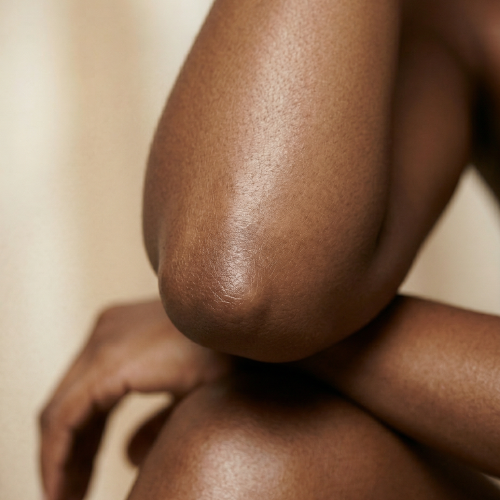
Ashy skin — the gray, chalky appearance that shows most visibly on darker skin tones — is not a hydration problem. It's a lipid problem.
Your skin's outer layer, the stratum corneum, functions as a barrier. It regulates moisture loss and protects against environmental damage. When that barrier becomes compromised — through dry air, hot showers, harsh soaps, or simply the natural reduction of sebum production that comes with age — your skin loses its ability to hold onto moisture.
Dead skin cells accumulate on the surface. Light scatters off them unevenly. The result is that grayish, dull appearance that no amount of lotion seems to fix.
Melanin-rich skin is particularly susceptible. Research confirms that darker skin tones produce lower amounts of natural sebum and have a thicker stratum corneum, both of which make moisture retention more challenging. Ashy skin isn't a sign of neglect. It's a structural reality that requires the right response.
Why Lotion Keeps Failing
Standard body lotions are 60 to 80 percent water.
That's not a marketing secret — it's listed on every ingredient label. Water appears first because it's the primary ingredient. The rest is emulsifiers, preservatives, fragrance, and a small percentage of active ingredients like glycerin or shea derivatives.
When you apply lotion, the water in the formula creates an immediate sensation of coolness and slip. Your skin feels softer. But within one to two hours, that water evaporates — and it takes some of your skin's natural moisture with it as it leaves. Transepidermal water loss accelerates. The skin tightens. The ash returns.
You are not failing at moisturizing. You are using a product that is structurally limited in what it can do for compromised skin.
What Actually Works
Ashy skin responds to lipids, not water.
Lipids — fats, oils, and butters — are what your skin barrier is made of. When the barrier is compromised, replenishing it requires fat-soluble ingredients that can integrate with the skin's own structure rather than sit on top of it and evaporate.
This is the principle behind anhydrous, or waterless, body care. Without water in the formula, there is nothing to evaporate. Every ingredient is active. The formula delivers what compromised skin actually needs: a concentrated lipid matrix that reinforces the barrier, reduces transepidermal water loss, and keeps skin visibly soft for hours — not minutes.
The ingredients matter too. Not all lipids are equal for melanin-rich skin. West African shea butter, rich in vitamins A and E and with a fatty acid profile that closely mirrors the skin's own sebum, has been used for generations across West Africa precisely because it works with the skin rather than coating it. Mango seed butter, Cupuaçu, Tucuma — Amazonian butters with high oleic content — absorb readily and provide sustained emollient action without the waxy, film-like finish of heavier balms.
How to Apply It Correctly
Application method matters as much as formula.
Apply to damp skin. Immediately after bathing, before fully towel-drying, apply a small amount to skin that still holds residual moisture. The lipids seal that moisture against the skin rather than replacing it.
Use less than you think. Anhydrous formulas are concentrated. A pea-sized amount warms between the palms and provides enough coverage for a full limb. Applying too much creates a greasy finish. Applying correctly leaves skin with a second-skin feel — settled, not coated.
Focus on high-ash areas first. Knees, elbows, shins, and ankles tend to lose moisture fastest. These areas benefit from consistent daily application before the dryness becomes visible.
Be consistent. Barrier repair does not happen in a single application. The skin takes time to rebuild its lipid structure. With consistent use of the right formula, ashiness reduces noticeably within one to two weeks and continues improving over time.
The Bottom Line
Ashy skin is not a lotion deficiency. It is a lipid deficiency. Applying more water-based product to a compromised barrier is like patching a leak with water — it addresses the surface symptom while the structural problem remains.
The solution is concentrated, waterless body care that delivers what the barrier is actually missing.
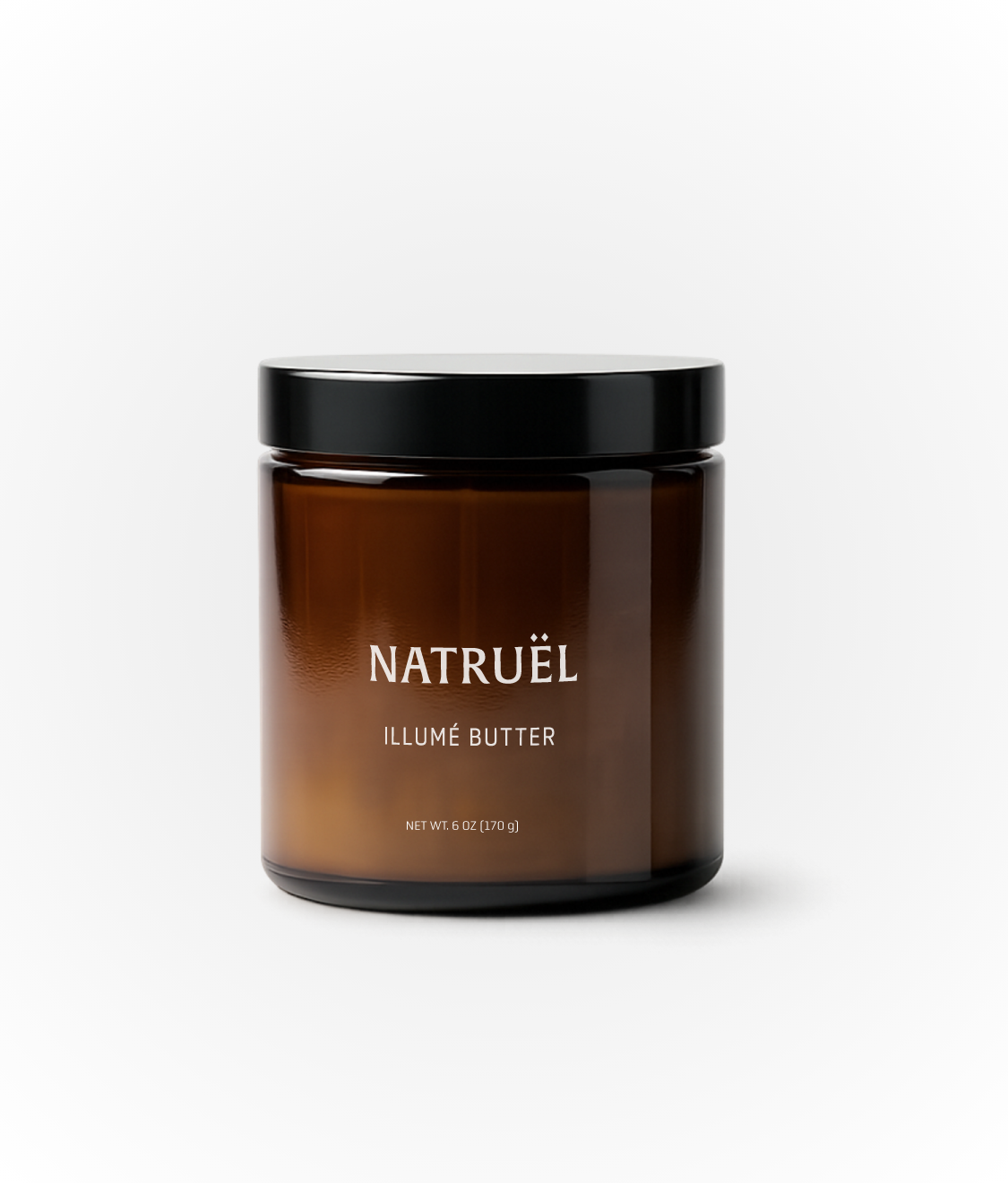
Illumé Butter was formulated specifically for this. An anhydrous blend of West African shea, Amazonian butters, and integrating oils — no water, no fillers, no temporary fix. One application. Hours of comfort. A barrier that actually rebuilds over time.
Start with the 2 oz Discovery Size — a 30-day supply designed for first-time users.