Article: How to Repair Your Skin Barrier — Not Just Moisturize Over It
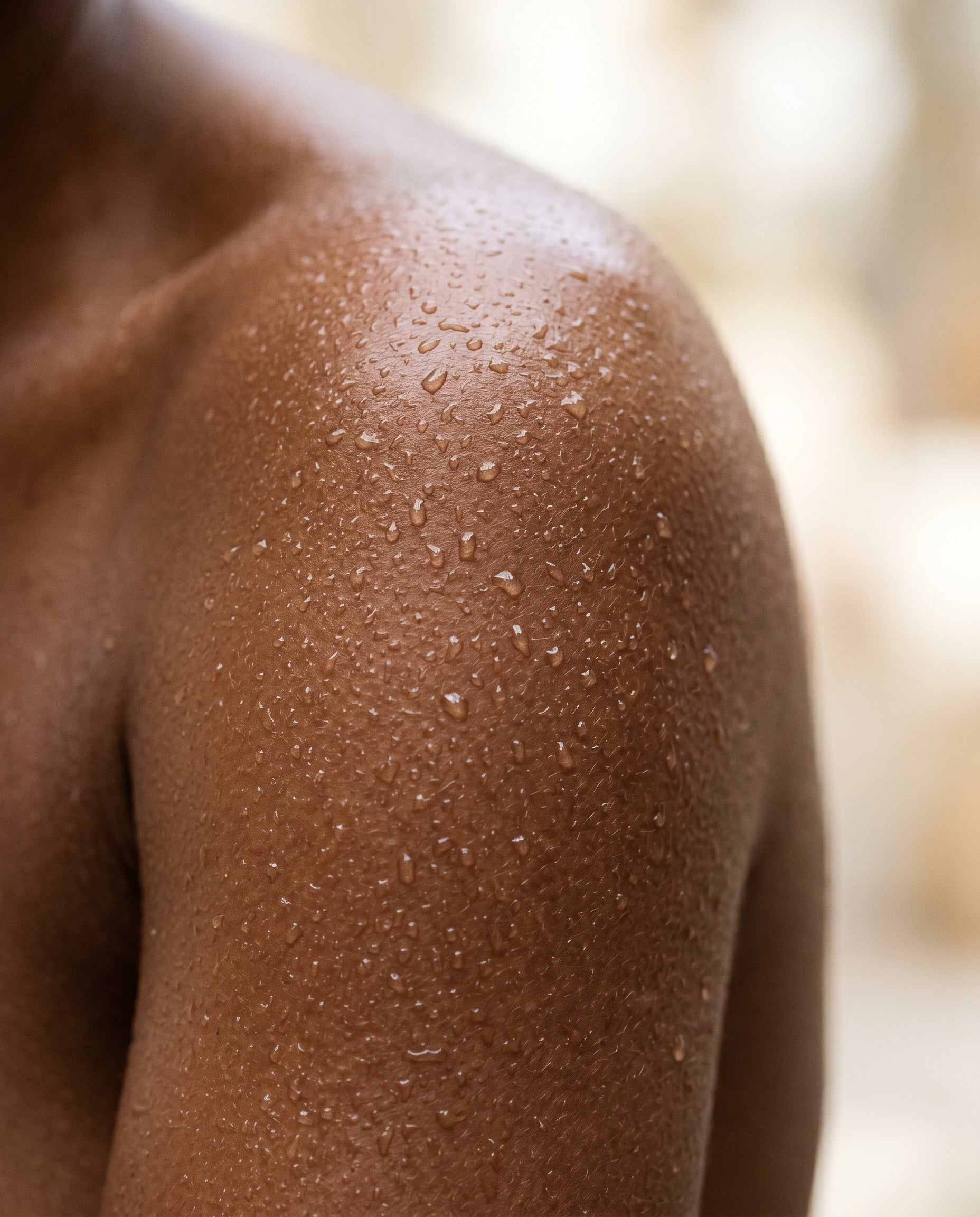
How to Repair Your Skin Barrier — Not Just Moisturize Over It
There is a difference between moisturizing skin and repairing it.
Most people do the first. Few do the second. The distinction matters more than any product recommendation, because applying even the best moisturizer to a compromised barrier is like painting over a crack in a wall — the surface looks better temporarily, but the underlying structure remains broken.
Barrier repair is slower, more deliberate, and more permanent. Here is what it actually requires.
What the Skin Barrier Is
The skin barrier — technically the stratum corneum — is not a single membrane. It is a layered structure of dead skin cells embedded in a matrix of lipids: ceramides, fatty acids, and cholesterol arranged in a precise ratio that determines how effectively the barrier functions.
This lipid matrix does two things simultaneously. It keeps moisture inside the skin, preventing transepidermal water loss. And it keeps environmental aggressors outside — pollution, bacteria, irritants, allergens.
When the ratio of ceramides, fatty acids, and cholesterol is disrupted — through age, climate, harsh products, over-exfoliation, or chronic dryness — the barrier develops gaps. Moisture escapes faster. Irritants penetrate more easily. The skin becomes reactive, dry, tight, and visually dull.
This is a structural problem. It requires a structural response.
What Compromises the Barrier
Understanding what damages the barrier is as important as knowing how to repair it. The most common causes:
Over-cleansing. Harsh soaps and body washes strip the skin's natural lipids along with the dirt. Surfactants that leave skin feeling "squeaky clean" have removed the protective oils your barrier depends on. For chronically dry skin, cleansing with anything containing sulfates or alcohol compounds the problem with every shower.
Hot water. Hot showers dissolve the lipid layer at the skin's surface faster than lukewarm water. The longer and hotter the shower, the more barrier disruption occurs before any moisturizer is even applied.
Over-exfoliation. Chemical and physical exfoliants remove dead skin cells — necessary in moderation, damaging in excess. Daily exfoliation disrupts the barrier's surface layer before it has time to regenerate. Once a week is the upper limit for compromised skin.
Water-based moisturizers applied to dry skin. This is the most overlooked cause. Applying lotion to fully dry skin introduces water that then evaporates, drawing moisture from the skin as it leaves. The routine intended to help accelerates the problem.
Fragrance. Both synthetic and natural fragrance compounds are among the most common causes of barrier disruption. They trigger low-grade inflammation that compromises the lipid matrix over time. For skin already struggling, fragrance-free formulas are not optional — they are necessary.
What Barrier Repair Actually Requires
Repairing a compromised barrier requires delivering the building blocks the barrier is missing — specifically, lipids that integrate with the skin's own structure rather than sitting on the surface.
Ceramides are the dominant component of the lipid matrix. Products containing ceramides or ceramide-precursors help restore the barrier's structural integrity over time.
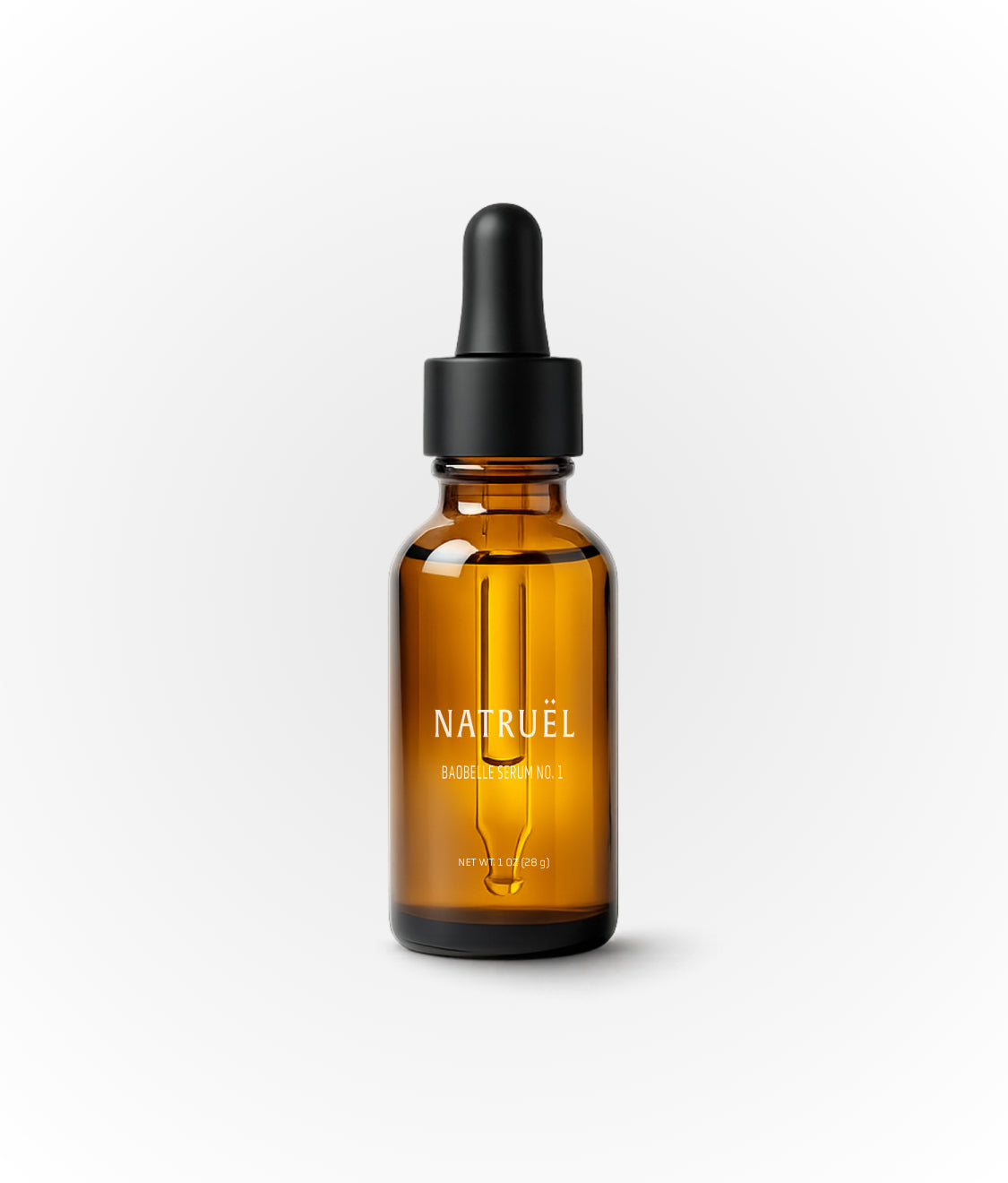
Fatty acids — particularly oleic acid and linoleic acid — are what the barrier uses to fill the gaps between cells. Oils high in oleic acid, like jojoba and baobab, are most effective for barrier repair because their molecular structure closely resembles the skin's own sebum. They do not sit on top of the skin. They absorb into it.
Cholesterol analogs found in plant butters — particularly in shea butter — contribute to barrier repair in a way that surface emollients cannot. This is why unrefined West African shea butter has been used therapeutically for centuries across Sub-Saharan Africa. It is not primarily a moisturizer. It is a barrier material.
No water. This is the critical constraint. Water-based formulas cannot deliver concentrated lipids without evaporation. Anhydrous formulas — entirely free of water — can. The absence of water means the full formula is active and available to the barrier from the first moment of contact.
The Repair Protocol
Barrier repair is not a single product decision. It is a routine adjustment.
Switch to a sulfate-free body wash. Lower shower temperature. Reduce exfoliation to once weekly. Apply a concentrated, anhydrous lipid formula immediately after bathing — before fully towel-drying — so the formula seals residual moisture against the skin rather than replacing it.
Be patient. The skin barrier regenerates on a roughly 28-day cycle. Meaningful improvement in barrier function takes two to four weeks of consistent practice. The results are not a temporary softness that fades by afternoon. They are a gradual shift in the skin's baseline — less reactive, less tight, less prone to dryness regardless of season or environment.
The Difference You Will Notice
Moisturizing addresses how skin feels today. Barrier repair addresses how skin behaves over time.
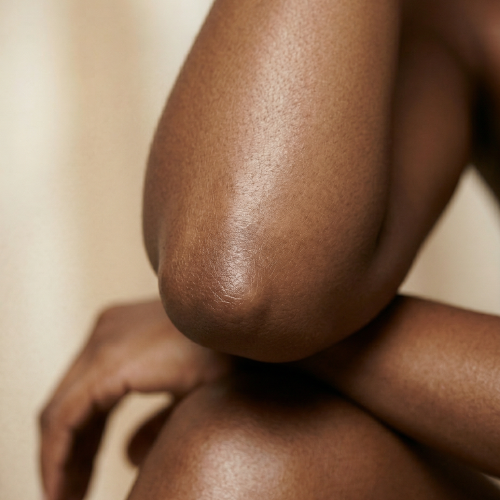
Repaired skin holds moisture on its own. It does not tighten two hours after application. It does not ash in winter. It does not require constant reapplication to stay comfortable. The goal is not a product your skin needs every day to function — it is skin that functions.
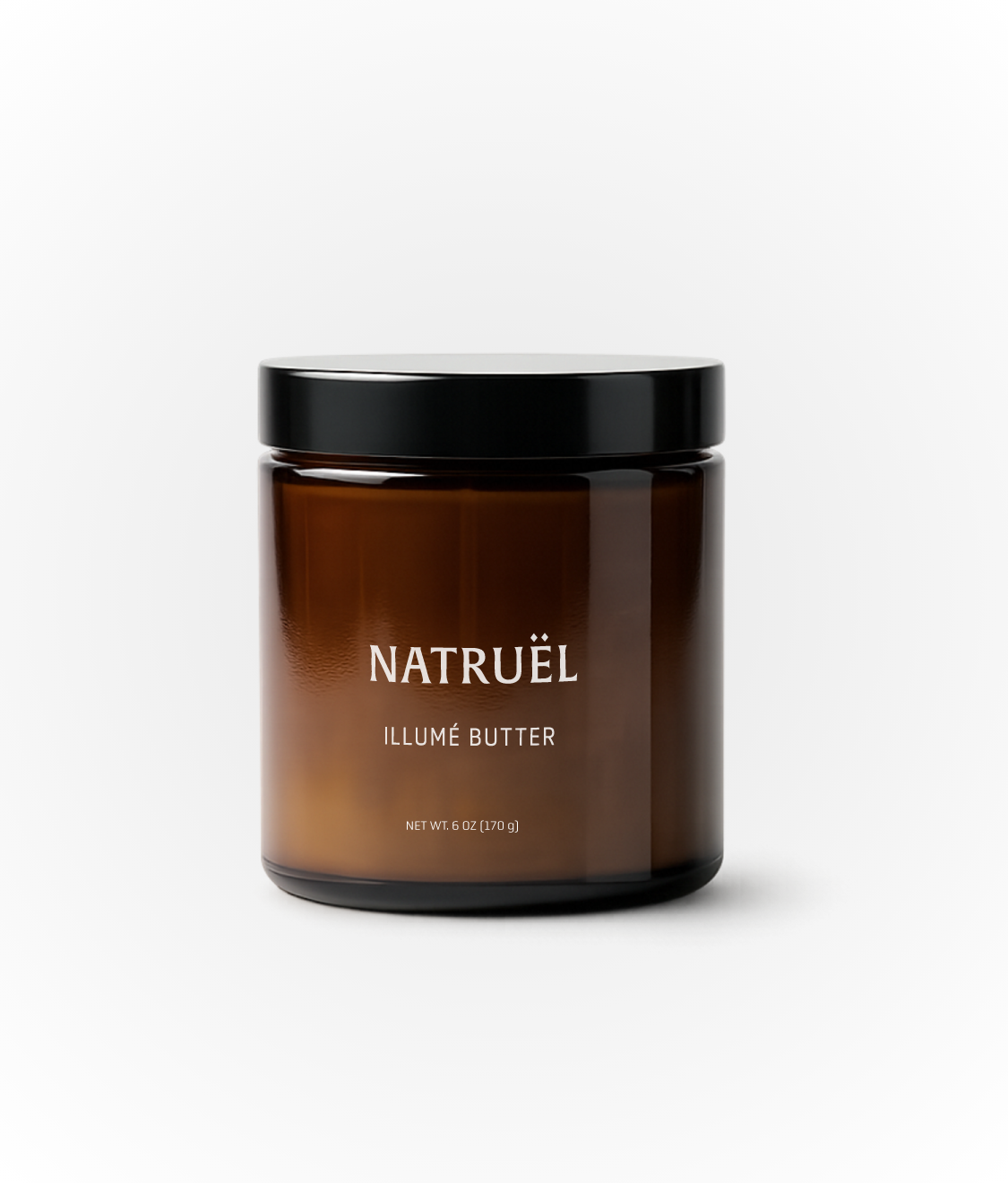
Illumé Butter is formulated to support this process. 100% anhydrous, built from West African shea, Amazonian butters, and oleic-rich integrating oils — the same lipid building blocks your barrier is made from. Applied correctly and consistently, it does not just moisturize. It provides the raw materials the barrier needs to rebuild itself.
Start with the 2 oz Discovery Size. Thirty days. One habit. A barrier that starts working for you instead of against you.